Pigmentation Treatment: How to Remove Dark Spots and Even Your Skin Tone
By Anat, Certified Cosmetician
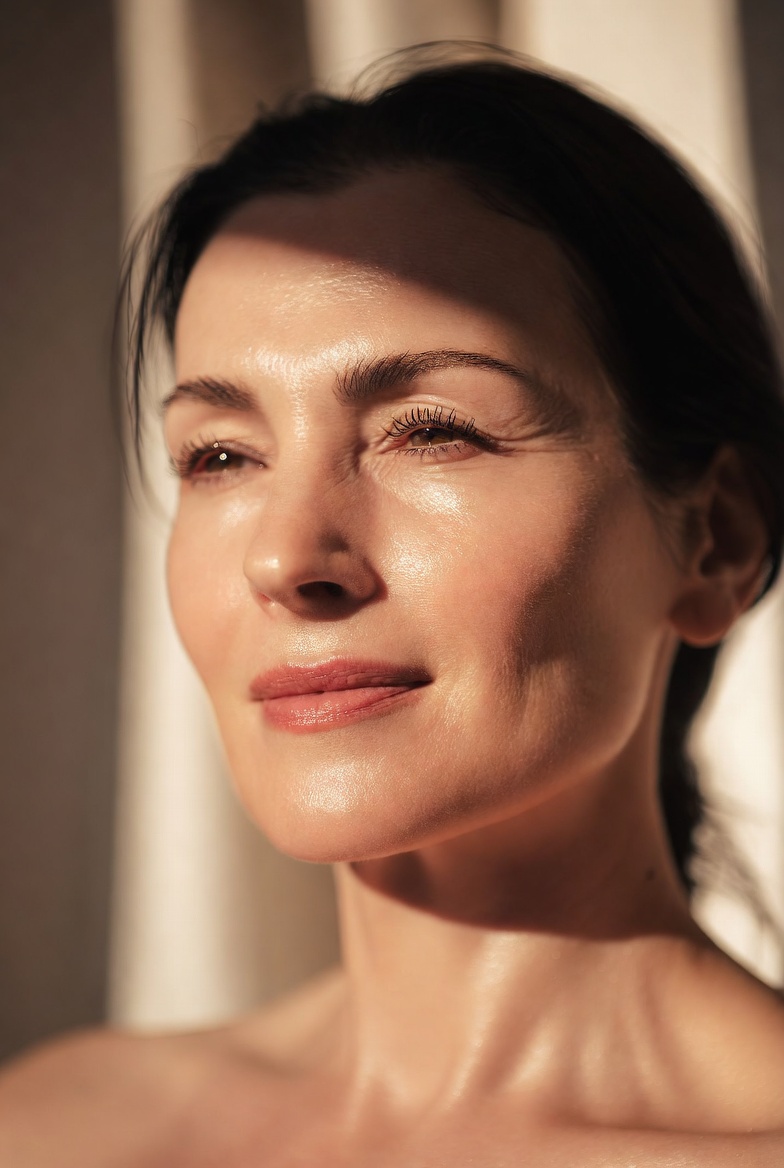
You glance in the mirror and notice them, dark patches on your cheeks, a scattering of spots across your forehead, uneven tone that no foundation quite conceals. If this sounds familiar, you're far from alone. Pigmentation concerns are among the most common reasons clients walk into my studio in Kiryat Ata, and the good news is: these changes are treatable.
Pigmentation treatment has come a long way. Today, professional protocols can visibly reduce dark spots, even out skin tone, and restore the clarity your skin once had. This guide explains what causes pigmentation, which treatments actually work, and how to keep your results lasting.
What Causes Skin Pigmentation?
Pigmentation occurs when melanocytes, the cells responsible for skin color, produce excess melanin in certain areas. This overproduction creates visible dark patches, spots, or an overall uneven complexion. Several triggers are responsible.
Sun Damage
Ultraviolet radiation is the single most common cause of pigmentation. When your skin is exposed to the sun without adequate protection, melanocytes go into overdrive, producing extra melanin as a defense mechanism. Over time, this leads to sunspots (solar lentigines), flat, brown patches that typically appear on the face, hands, and décolletage.
Even brief, repeated sun exposure without SPF contributes to cumulative damage that may not become visible for years.
Hormonal Changes
Melasma is a form of pigmentation driven by hormonal fluctuations. It commonly appears during pregnancy (often called "pregnancy mask"), while taking oral contraceptives, or during hormonal therapy. Melasma typically presents as symmetrical brown or grayish-brown patches across the cheeks, forehead, upper lip, and chin.
Hormonal pigmentation is among the most stubborn types to treat, requiring patience and a carefully tailored approach.
Post-Inflammatory Hyperpigmentation
After acne, a cut, a burn, or any skin irritation, the healing process can leave behind a dark mark. This is post-inflammatory hyperpigmentation (PIH). The inflammation triggers melanocytes to deposit excess pigment in the affected area.
PIH is especially common in medium to deeper skin tones and can persist for months without targeted treatment.
Age-Related Changes
As we age, melanin distribution becomes less uniform. Decades of cumulative sun exposure combine with natural cellular slowdown, resulting in age spots (also called liver spots or lentigines). These flat, tan-to-dark-brown spots tend to appear after the age of 40 on sun-exposed areas.
Types of Pigmentation
Understanding what type of pigmentation you have is the first step toward effective treatment. Here are the most common forms:
- Melasma, Hormonally driven brown or gray-brown patches, usually symmetrical across the face. Often worsened by sun exposure and heat.
- Solar lentigines, Flat, well-defined brown spots caused by cumulative UV exposure. Commonly called sunspots or age spots.
- Post-inflammatory hyperpigmentation (PIH), Dark marks left behind after skin inflammation such as acne, eczema, or injury. Fades over time but can persist without treatment.
- Freckles (ephelides), Small, light-brown spots that are largely genetic and darken with sun exposure. Generally harmless and primarily a cosmetic concern.
A professional skin analysis can identify your specific pigmentation type and guide the most effective treatment plan.
Professional Pigmentation Treatments
Over-the-counter creams and serums can help with mild discoloration, but professional pigmentation treatment delivers deeper, more consistent results. Here are the most effective approaches I use in my practice.
Chemical Peels
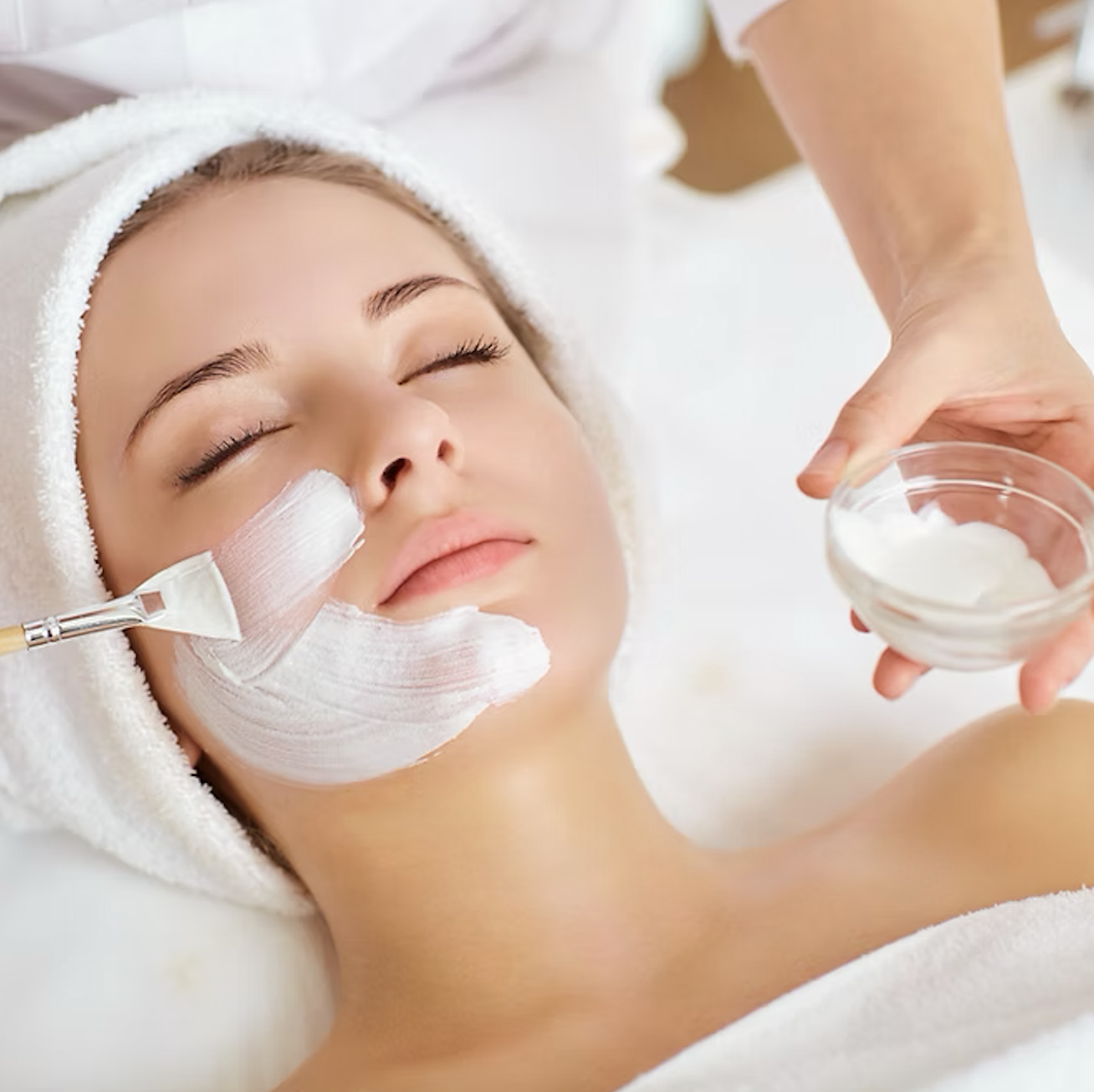
Chemical peels use controlled acid solutions to remove the outermost layers of skin where excess pigment is concentrated. As the skin heals and regenerates, the new layers appear more even and brighter.
Commonly used acids for pigmentation include:
- Glycolic acid, An AHA that accelerates cell turnover and fades surface-level discoloration
- Lactic acid, A gentler AHA suitable for sensitive skin, with mild brightening properties
- Kojic acid, Inhibits melanin production at the source, effective for melasma and sunspots
Peels range from superficial to medium-depth depending on pigmentation severity. A series of sessions spaced 2–4 weeks apart typically yields the best outcome.
Mesotherapy with Brightening Cocktails
Mesotherapy delivers a customized blend of brightening active ingredients, such as vitamin C, glutathione, tranexamic acid, and hyaluronic acid, directly into the skin's middle layer. By bypassing the surface barrier, these ingredients reach the melanocytes where pigment is produced.
This treatment is particularly effective for stubborn melasma and widespread uneven tone that doesn't respond well to topicals alone.
Professional-Grade Lightening Treatments
Professional brightening protocols use high-concentration active formulas that are not available over the counter. These treatments typically combine multiple melanin-inhibiting and exfoliating agents in a single session, working synergistically for stronger results than any single product could achieve.
These are applied under professional supervision to ensure safety and efficacy, particularly for sensitive skin or deeper pigmentation.
Deep Cleansing + Targeted Serums
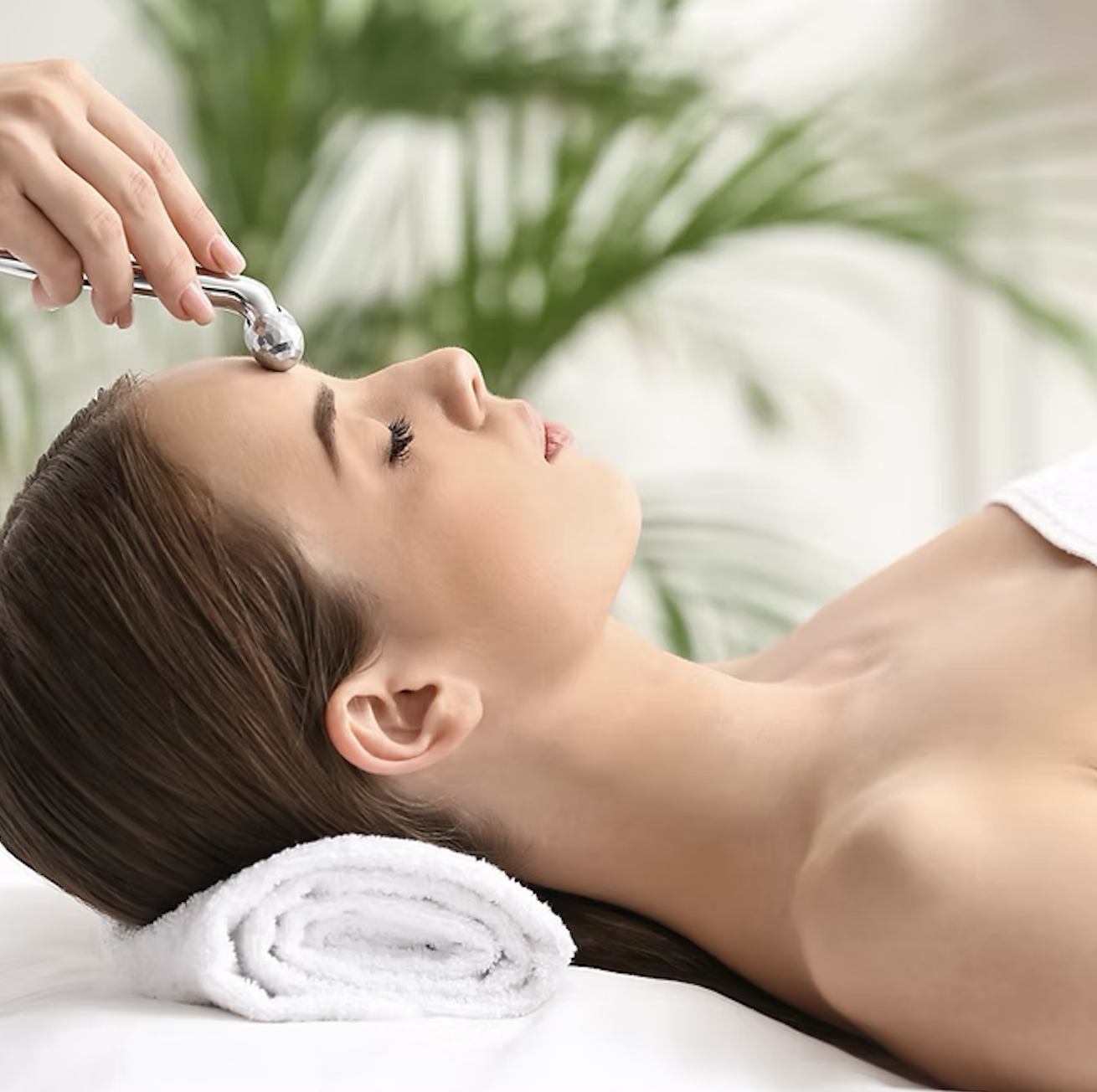
Sometimes the most effective approach starts with the basics. A thorough deep cleansing treatment removes dead skin buildup and prepares the skin to absorb targeted brightening serums at maximum potency. This combination is an excellent starting point for clients new to pigmentation treatment.
Important to know: Pigmentation treatment is rarely a one-session fix. A series of treatments, typically 4 to 8 sessions, delivers the most visible and lasting improvement. Results are gradual, with progressive lightening and evening of skin tone over weeks.
How to Prevent Pigmentation from Returning
Treating existing pigmentation is only half the equation. Without ongoing prevention, dark spots can return. Here's how to protect your results:
- Wear SPF 30+ every single day, Rain or shine, summer or winter. UV exposure is the primary trigger for pigmentation recurrence. Reapply every two hours when outdoors.
- Avoid peak sun hours, Limit direct sun exposure between 10 AM and 4 PM when UV intensity is highest.
- Use antioxidant serums daily, Vitamin C, niacinamide, and other antioxidants neutralize free radicals that contribute to melanin overproduction.
- Maintain consistent professional care, Periodic maintenance treatments help keep melanin production in check and address new spots before they become established.
- Avoid picking or irritating your skin, Any inflammation can trigger new post-inflammatory hyperpigmentation, undoing your progress.
Frequently Asked Questions
How long does it take to see results from pigmentation treatment?
Most clients notice visible improvement after 2–3 sessions, with significant results after completing a full series of 4–8 treatments. The timeline depends on the type and depth of pigmentation, superficial sunspots respond faster than deep melasma. Patience and consistency are key.
Can pigmentation be completely removed?
Many types of pigmentation can be dramatically reduced or fully cleared with professional treatment. However, some forms, particularly melasma, may require ongoing management rather than a permanent cure. With the right combination of professional treatments and daily sun protection, most clients achieve a significantly more even, clearer complexion.
Is pigmentation treatment safe for all skin types?
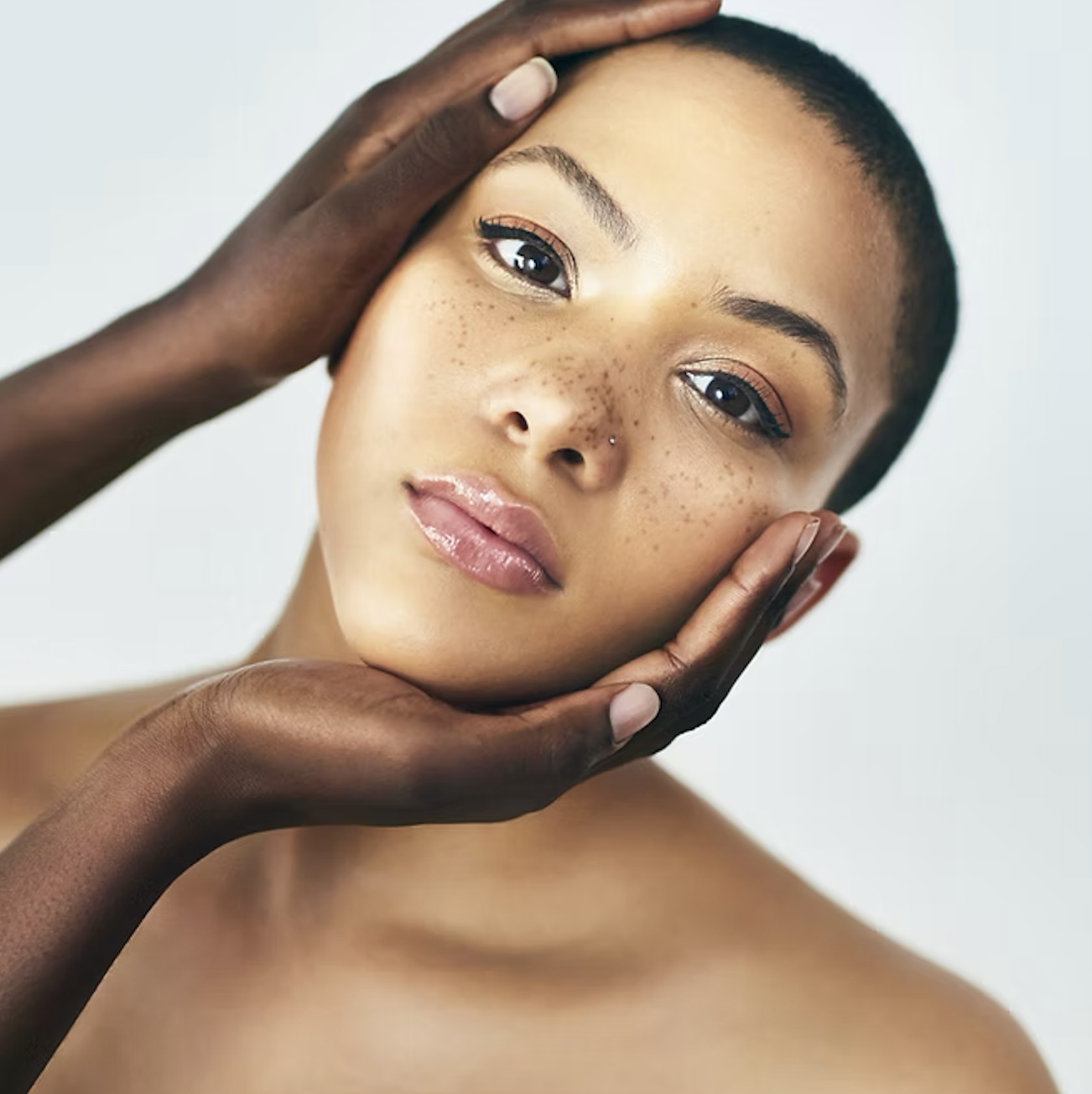
Yes, but the approach must be tailored. Darker skin tones carry a higher risk of post-inflammatory hyperpigmentation from aggressive treatments, so a gentler, more gradual protocol is essential. During your consultation, I assess your skin type and pigmentation depth to design a safe, effective plan for your specific needs.
What's the best time of year for pigmentation treatment?
Autumn and winter are ideal because UV intensity is lower, reducing the risk of sun-triggered pigmentation during the healing process. However, pigmentation treatment can be performed year-round with strict daily sun protection. The best time to start is whenever you're ready to commit to the protocol and consistent SPF use.
Dark spots don't have to be a permanent part of your complexion. With the right professional treatments and a smart prevention routine, a brighter, more even skin tone is absolutely within reach. If you're ready to take the first step, I'd love to see you at my studio in Kiryat Ata for a personalized skin analysis and treatment plan.
Want to know what's right for your skin?
Book a personal consultation and get a custom treatment plan