Professional Acne Treatment: Your Complete Guide to Clear, Healthy Skin
By Anat, Certified Cosmetician
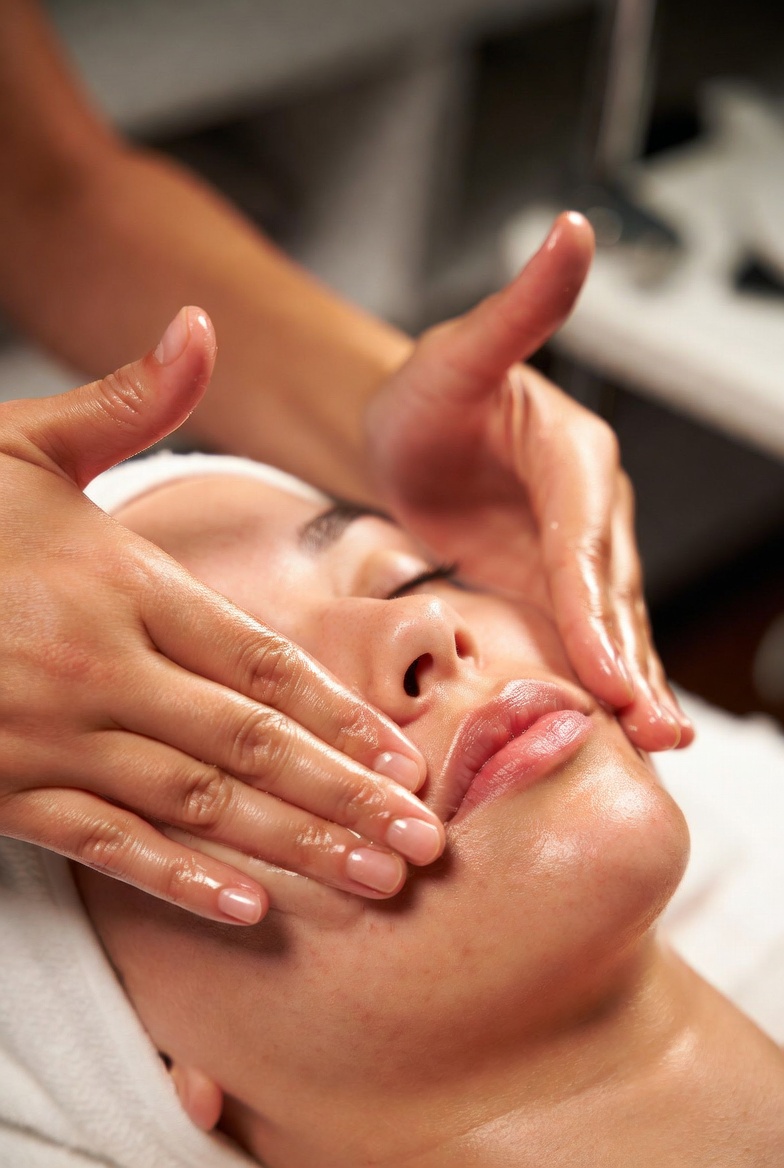
You've tried the cleansers, the serums, and the spot treatments lining pharmacy shelves. Yet the breakouts keep returning. If over-the-counter products haven't delivered lasting results, professional acne treatment could be the turning point your skin has been waiting for.
This guide covers everything, from what causes persistent acne to the professional treatments that deliver real, visible results. You'll learn what to expect during a session, how to choose the right specialist, and how to maintain clear skin long after your appointment.
What Causes Acne, And Why It Persists
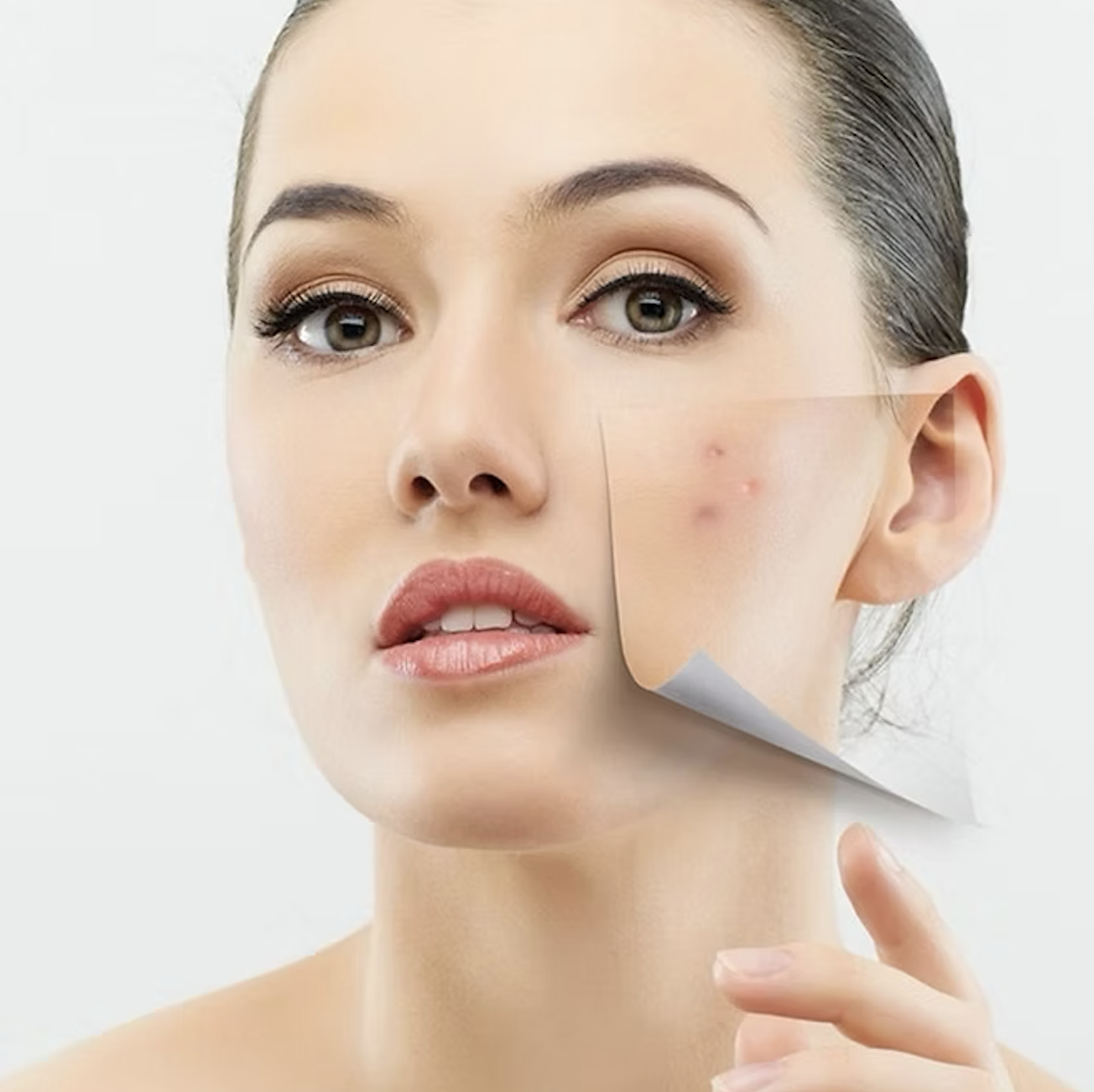
Acne isn't just a surface problem. It develops when four factors converge beneath the skin:
- Excess sebum production, Overactive oil glands flood the pore with oil
- Dead skin cell buildup, Cells don't shed properly, trapping sebum inside the follicle
- Bacterial colonization, Cutibacterium acnes bacteria thrive in clogged, oxygen-deprived pores
- Inflammatory response, The immune system reacts, creating redness, swelling, and painful lesions
Hormonal fluctuations, stress, diet, and environmental factors can amplify any of these triggers. This multi-layered nature is precisely why acne is so difficult to treat with a single product.
Why Over-the-Counter Products Often Disappoint
Most drugstore acne products contain low concentrations of active ingredients like benzoyl peroxide or salicylic acid. While they can help with mild breakouts, they have significant limitations:
- They only penetrate the skin's outermost layers
- They use a one-size-fits-all formulation regardless of your acne type
- They cannot safely perform extractions to clear deeply clogged pores
- They don't address hormonal or inflammatory root causes
Professional treatments bridge this gap by combining deeper penetration, customized protocols, and expert-guided extraction, addressing the problem where it actually lives.
Types of Professional Acne Treatments That Work
Not all acne responds to the same approach. Here are the most effective professional treatments, along with who benefits most from each.
1. Deep Cleansing Facial
The foundation of professional acne care. A deep cleansing facial goes far beyond what any at-home routine can achieve.
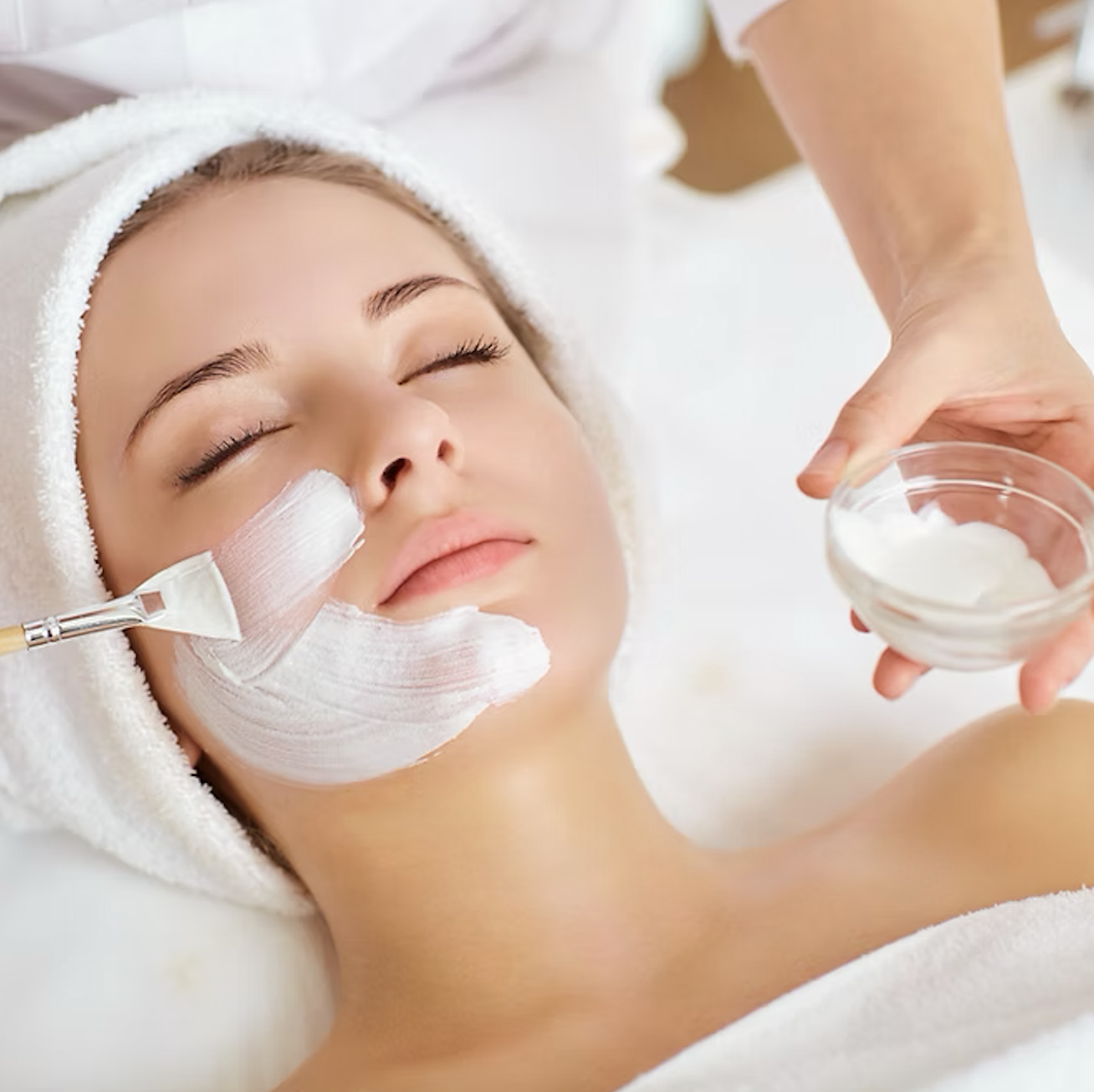
What it involves: Thorough steam-assisted pore opening, professional-grade exfoliation, safe manual extraction of blackheads and whiteheads, antibacterial treatment, and a customized mask to calm and heal the skin.
Best for: Comedonal acne (blackheads and whiteheads), congested skin, and as regular maintenance for all acne types.
Results timeline: Visible improvement after one session. A series of 4–6 treatments spaced 2–4 weeks apart delivers the most significant long-term results.
2. Chemical Peels
Chemical peels use controlled concentrations of acids to dissolve the bonds holding dead skin cells together, accelerating cell turnover and unclogging pores from the inside out.
Common types for acne-prone skin:
- Salicylic acid peels, Oil-soluble, penetrates deep into pores; ideal for oily, breakout-prone skin
- Glycolic acid peels, Promotes rapid cell turnover; helps fade post-acne dark marks
- Lactic acid peels, A gentler option for sensitive skin that still struggles with breakouts
Best for: Persistent breakouts, uneven texture, and post-inflammatory hyperpigmentation.
3. Mesotherapy for Acne
Mesotherapy delivers targeted active ingredients, vitamins, antioxidants, and hyaluronic acid, directly into the skin's middle layer using microinjections or advanced needle-free technology.
By bypassing the outer barrier entirely, mesotherapy delivers anti-inflammatory and skin-repairing compounds exactly where they're needed. It treats active acne, reduces scarring, and improves overall skin quality simultaneously.
Best for: Moderate to severe acne, acne scarring, and skin that needs both healing and rejuvenation.
4. LED Light Therapy
Blue LED light targets and destroys acne-causing bacteria without chemicals or irritation. Red LED light reduces inflammation and promotes tissue repair. Professional treatments often combine both wavelengths for maximum benefit.
Best for: Inflammatory acne, sensitive skin that can't tolerate harsh topicals, and as a complement to other treatments.
5. Customized Combination Protocols
The most effective approach is rarely a single treatment. Experienced cosmeticians design multi-step protocols that combine deep cleansing, targeted treatment (chemical peel, mesotherapy, or light therapy), and healing masks, tailored specifically to your acne type, severity, and skin sensitivity.
Professional Acne Treatment vs. At-Home Skincare
| Factor | Professional Treatment | At-Home Skincare |
|---|---|---|
| Penetration depth | Reaches deep into pores and dermis | Surface-level only |
| Customization | Tailored to your exact skin condition | Generic formulations |
| Extractions | Safe, sterile, minimizes scarring | High risk of infection and scarring |
| Ingredient strength | Professional-grade concentrations | Lower consumer-safe levels |
| Results timeline | Visible after first session | Weeks to months |
| Long-term outcome | Addresses root causes | Manages surface symptoms |
| Expert guidance | Professional skin analysis included | Self-diagnosis |
The key insight: at-home skincare is essential for daily maintenance, but professional treatments do the heavy lifting that creates lasting change.
What to Expect During a Professional Acne Facial
Walking into a treatment for the first time can feel uncertain. Here is exactly what a typical session involves, step by step:
- Skin analysis, Your cosmetician examines your skin under magnification, identifying acne type, severity, and underlying triggers
- Double cleanse, A thorough cleanse removes makeup, sunscreen, oil, and surface debris
- Steam and preparation, Gentle steam softens the skin and opens pores for extraction
- Exfoliation, Professional-grade exfoliation removes the dead cells contributing to congestion
- Extraction, Careful manual removal of blackheads, whiteheads, and clogged pores using sterile instruments
- Targeted treatment, Active serums, a chemical peel, or mesotherapy applied based on your skin's specific needs
- Calming mask, A customized mask to reduce redness, soothe inflammation, and accelerate healing
- Protection, Moisturizer and SPF to seal in benefits and shield freshly treated skin
A comprehensive acne facial typically takes 1 to 1.5 hours. While mild redness is normal immediately afterward, most clients describe the experience as surprisingly relaxing.
How Often Should You Get Professional Acne Treatment?
Treatment frequency depends on your acne's severity and your skin's response:
- Mild acne (occasional breakouts): Once every 4–6 weeks for ongoing maintenance
- Moderate acne (regular breakouts): Every 2–3 weeks for an initial series of 4–6 sessions, then monthly
- Severe acne (persistent, widespread): Every 2 weeks until significant improvement, then gradually space sessions further apart
Consistency matters more than intensity. A regular schedule allows your cosmetician to track your skin's progress, adjust the protocol, and prevent new breakouts before they surface.
Post-Acne Scarring: Can Professional Treatments Help?
Acne scars are among the most common concerns clients bring to a cosmetician. Several professional treatments can significantly improve their appearance.
Common Types of Acne Scars
- Ice pick scars, Narrow, deep pits in the skin
- Boxcar scars, Broad, rectangular depressions with defined edges
- Rolling scars, Wide depressions with sloping, rounded edges
- Post-inflammatory hyperpigmentation (PIH), Dark spots left behind after breakouts heal
Treatments That Improve Acne Scars
- Mesotherapy, Delivers collagen-stimulating ingredients directly to scarred tissue
- Chemical peels, Resurfaces skin, evening out texture and tone over a series of sessions
- Professional serums and masks, Targeted formulations that promote accelerated cell renewal
Scar improvement is gradual and typically requires a series of treatments. But with a consistent protocol, most clients see meaningful improvement in both skin texture and tone.
How to Choose the Right Cosmetician for Acne Treatment
Not all facials are created equal, especially when acne is involved. Here is what to look for when choosing a professional:
- Certification and experience, A certified cosmetician with specific experience treating acne, not just general facials
- Personalized approach, They conduct a thorough skin analysis before recommending any treatment plan
- Professional-grade products, Established skincare brands formulated for clinical use, not consumer products repackaged
- Transparent communication, Honest expectations about results, timelines, and pricing
- Hygiene standards, Sterile tools, clean treatment environment, single-use items where appropriate
- Proven track record, Consistent positive reviews, especially from clients with acne-related concerns
Post-Treatment Care: How to Protect Your Results
What you do after treatment matters almost as much as the treatment itself. Follow these guidelines to maximize and maintain your results:
- Hands off your face, Avoid touching, picking, or squeezing for at least 48 hours
- Skip makeup for 24 hours, Let your skin breathe and begin its healing process
- Wear sunscreen daily, Post-treatment skin is more vulnerable to UV damage; SPF 30 minimum
- Avoid active ingredients, No exfoliating acids or retinol for 3–5 days after treatment
- Stay hydrated, Drink plenty of water to support your skin's natural repair cycle
- Follow your cosmetician's home care plan, They've assessed your skin firsthand and know what it needs
A good cosmetician won't just treat your skin during the appointment, they'll equip you with a home care routine that keeps breakouts from returning between sessions.
Ready to Take the Next Step?
If you've been battling acne without professional support, a single consultation can change your trajectory. A certified cosmetician can assess your skin, identify the specific triggers behind your breakouts, and design a treatment plan that addresses the root cause, not just the symptoms.
Clear, healthy skin isn't about finding a miracle product. It's about getting the right treatment, from the right professional, at the right time. And that journey starts with one appointment.
Frequently Asked Questions
Is professional acne treatment worth the cost?
For persistent acne that hasn't responded to at-home care, professional treatment is one of the most cost-effective investments you can make. Many clients find it actually saves money over time by eliminating the cycle of buying products that don't work. A single series of professional treatments often delivers results that years of product purchases couldn't.
Does professional acne treatment hurt?
Most steps in a professional acne facial are comfortable and relaxing. Extractions may cause mild, temporary discomfort, but experienced cosmeticians use techniques that minimize any pain. You can always communicate if something feels uncomfortable, and adjustments are made immediately.
Can professional treatments completely cure acne?
Professional treatments can dramatically reduce breakouts and bring acne to a level where only minimal maintenance is needed. However, acne is influenced by hormones, stress, and lifestyle, making it an ongoing management process. Regular professional care combined with a consistent home routine provides the best long-term control.
What's the difference between a cosmetician and a dermatologist for acne?
Dermatologists are medical doctors who diagnose skin diseases and prescribe medication. Cosmeticians specialize in hands-on therapeutic treatments, deep cleansing, and ongoing skin maintenance. For most acne types, a skilled cosmetician provides highly effective treatment. For severe cystic acne requiring prescription medication, a dermatologist referral may be appropriate, a good cosmetician will advise you on this.
When will I see results?
Most clients notice clearer, smoother skin after their first session. For lasting improvement, especially with moderate to severe acne or scarring, a series of 4–6 treatments spaced 2–4 weeks apart delivers the best outcome. Each session builds on the progress of the last.
Can I wear makeup after a professional acne facial?
Avoid makeup for at least 24 hours to allow your skin to breathe and recover. When you resume, choose non-comedogenic products that won't clog pores, and make sure your brushes and sponges are freshly cleaned.
Want to know what's right for your skin?
Book a personal consultation and get a custom treatment plan